A Magical Sensory Bin Adventure
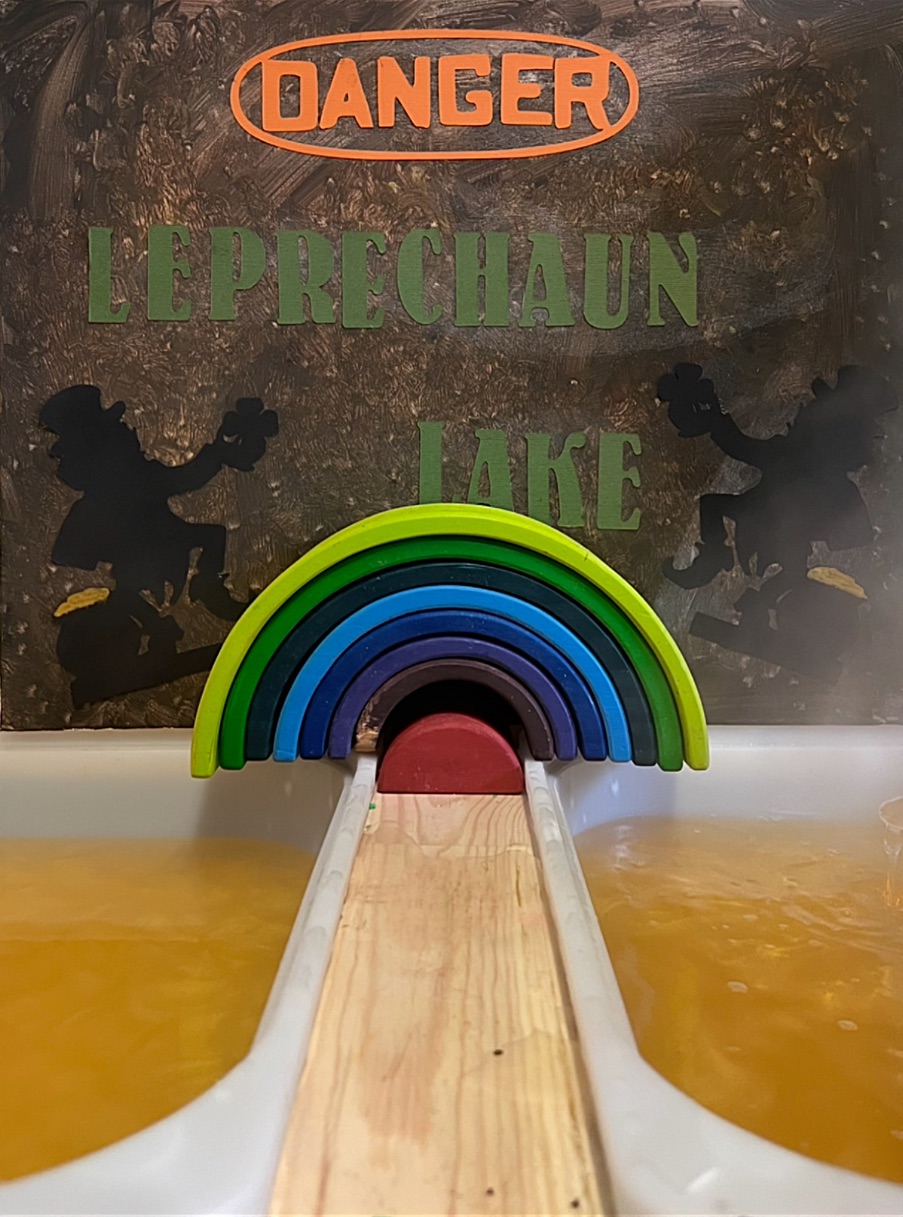

Sensory play in our house often turns into something bigger than I originally planned—and Leprechaun Lake was no exception!
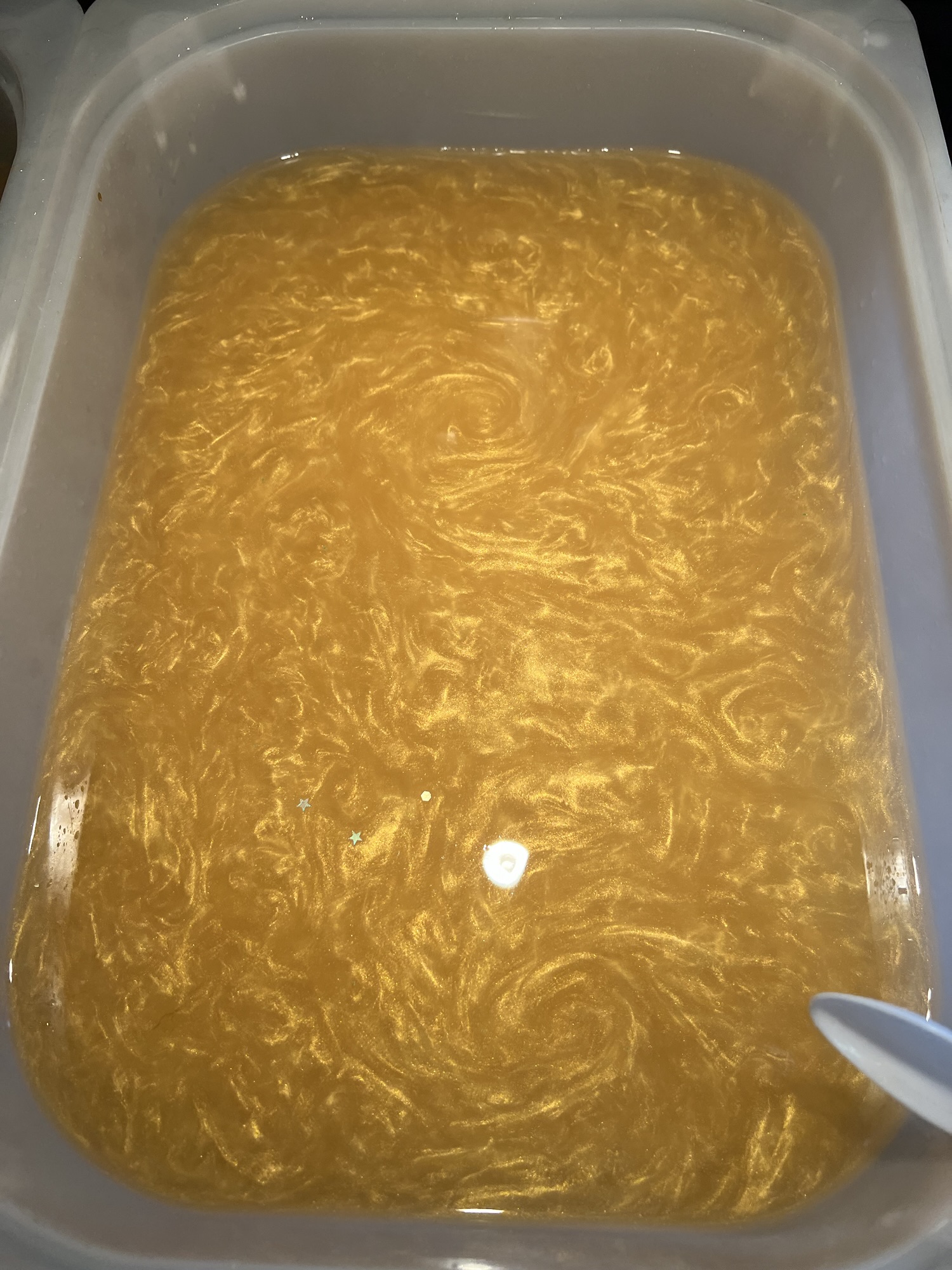
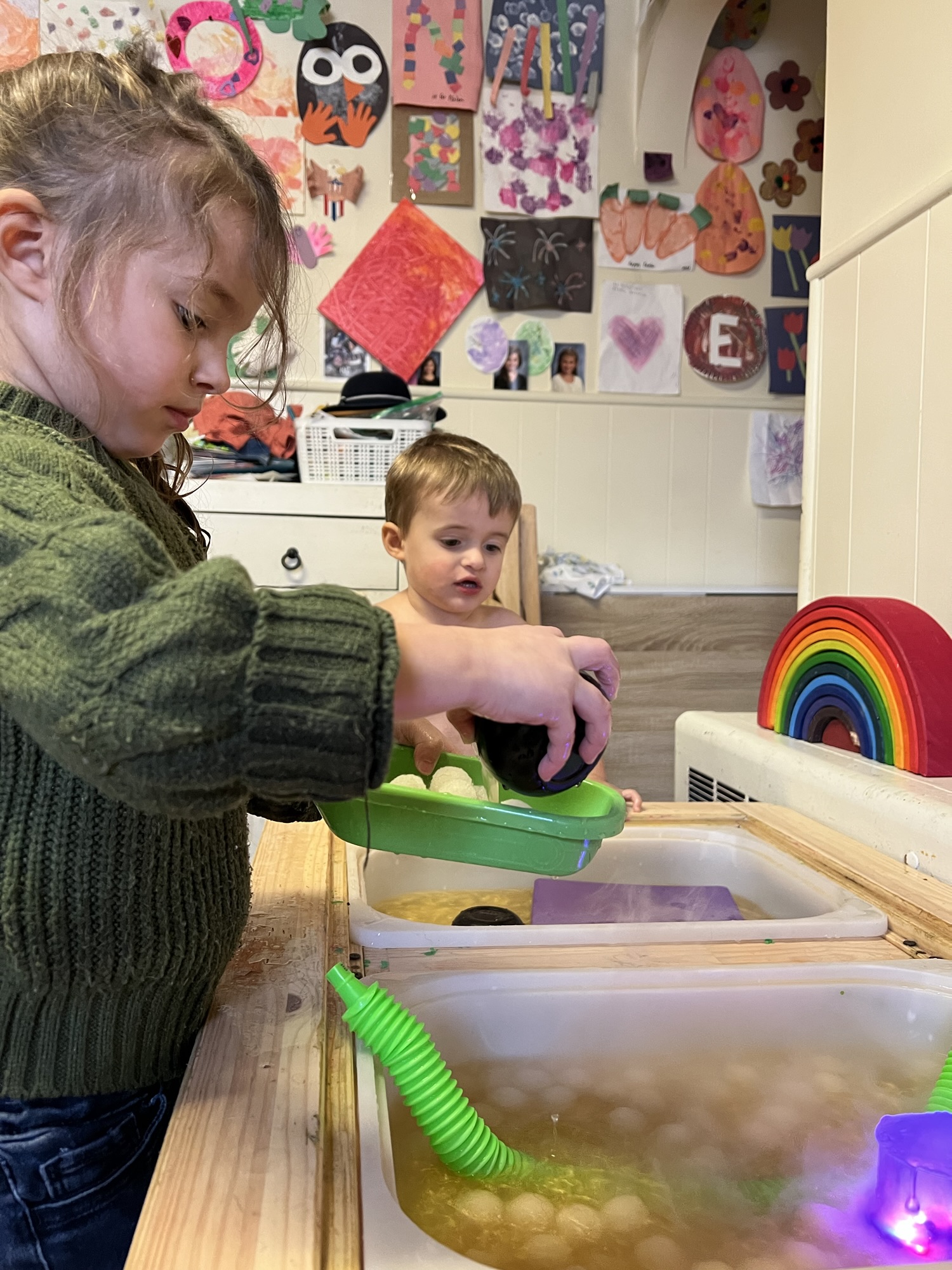
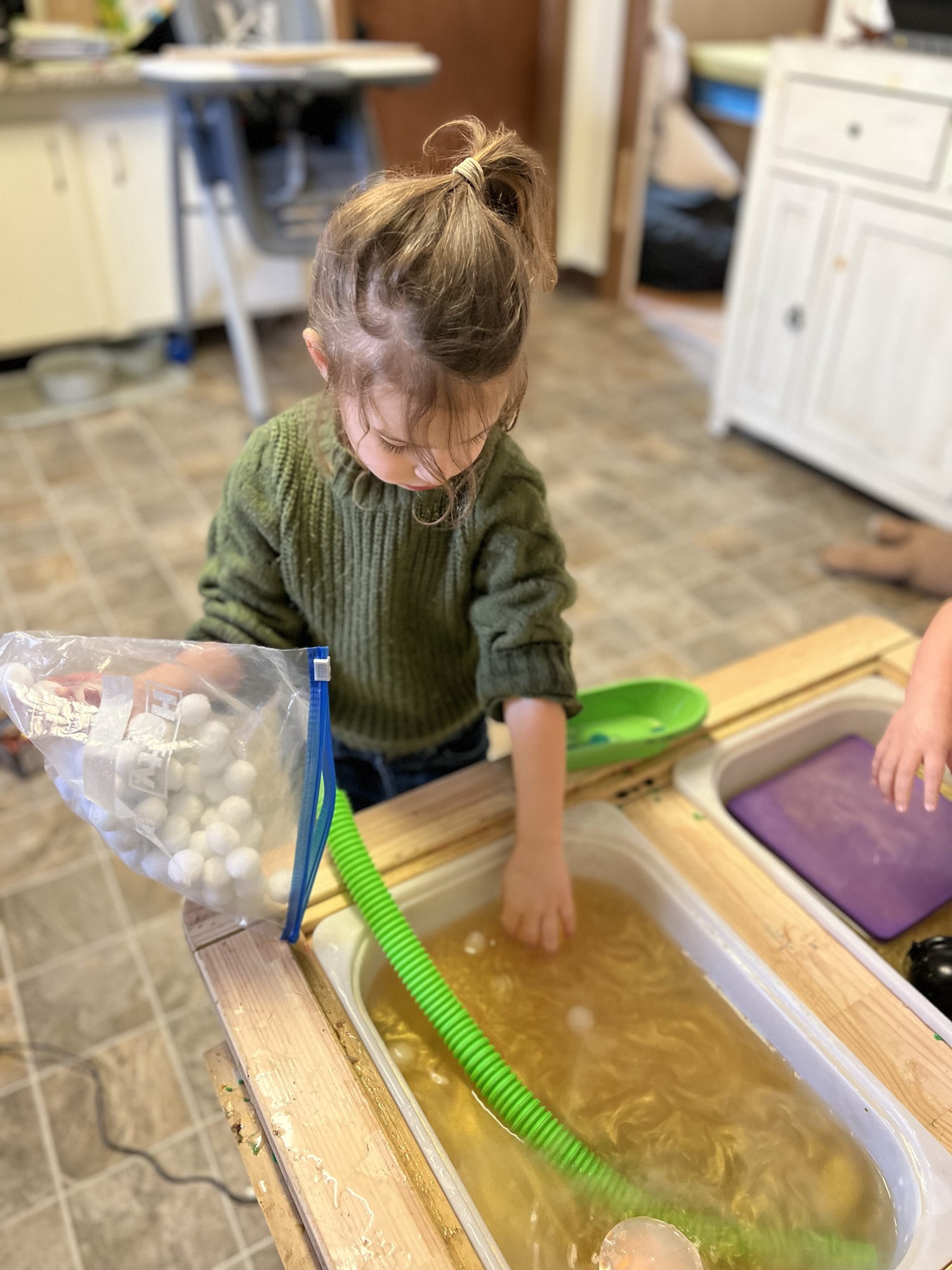
We started with a simple setup: gold metallic nontoxic washable paint mixed into water, with gold stones scattered at the bottom. But once we gave it a name, the magic happened. We imagined this was the place where leprechauns gathered gold for their pots at the end of the rainbow. My daughter immediately started spinning a story about what would happen if a human found leprechaun lake, and suddenly, this became more than just a sensory bin—it was a story prompt!
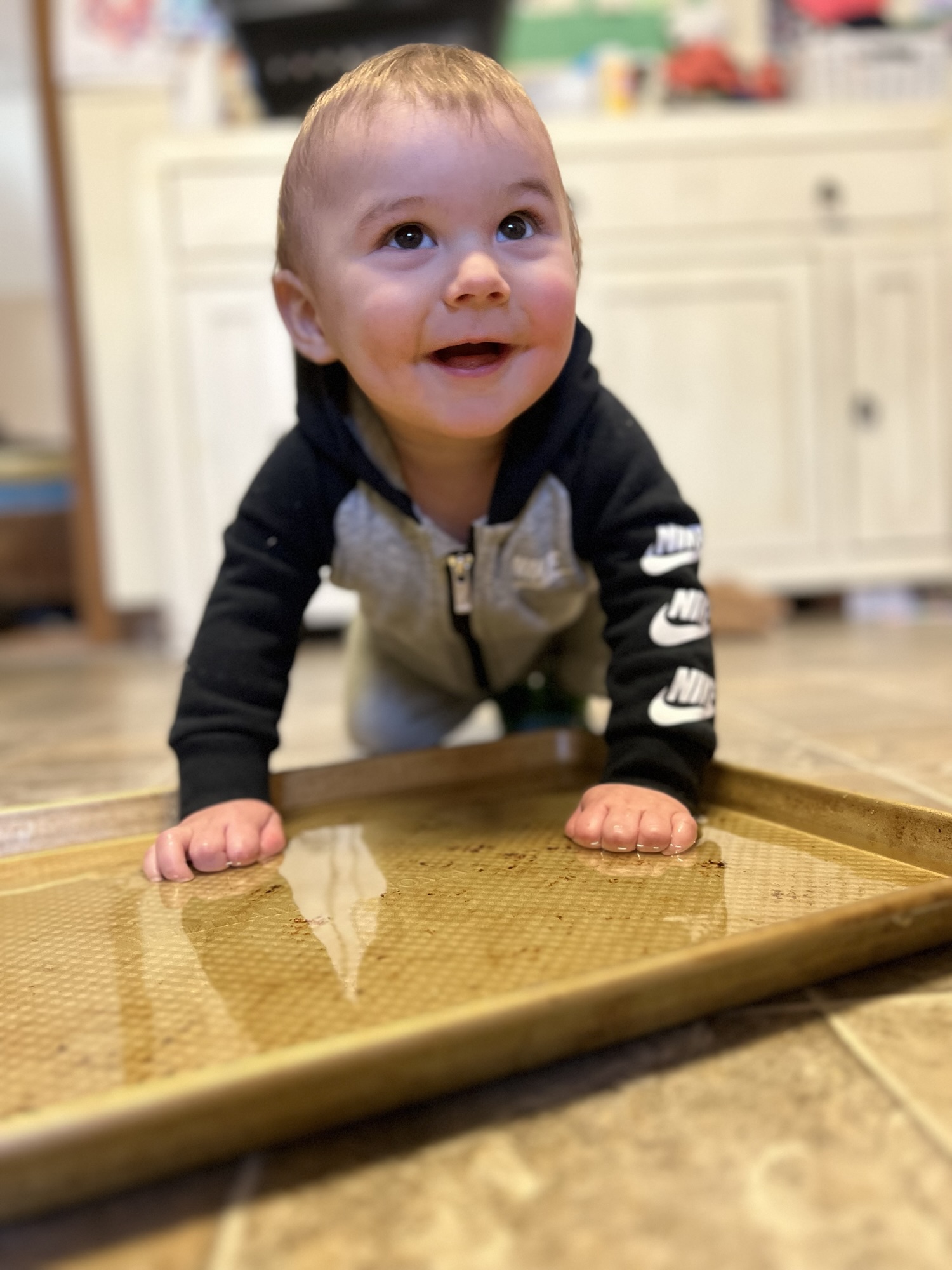
For my younger son, we turned it into a hands-on experiment. We “estimated” how many gold rocks it would take to sink a boat bath toy. He loved the anticipation of watching it get heavier and heavier, waiting for the moment it would finally sink. My daughter chimed in, wondering if real ships ever sank from carrying too much gold—a whole new story idea was born!
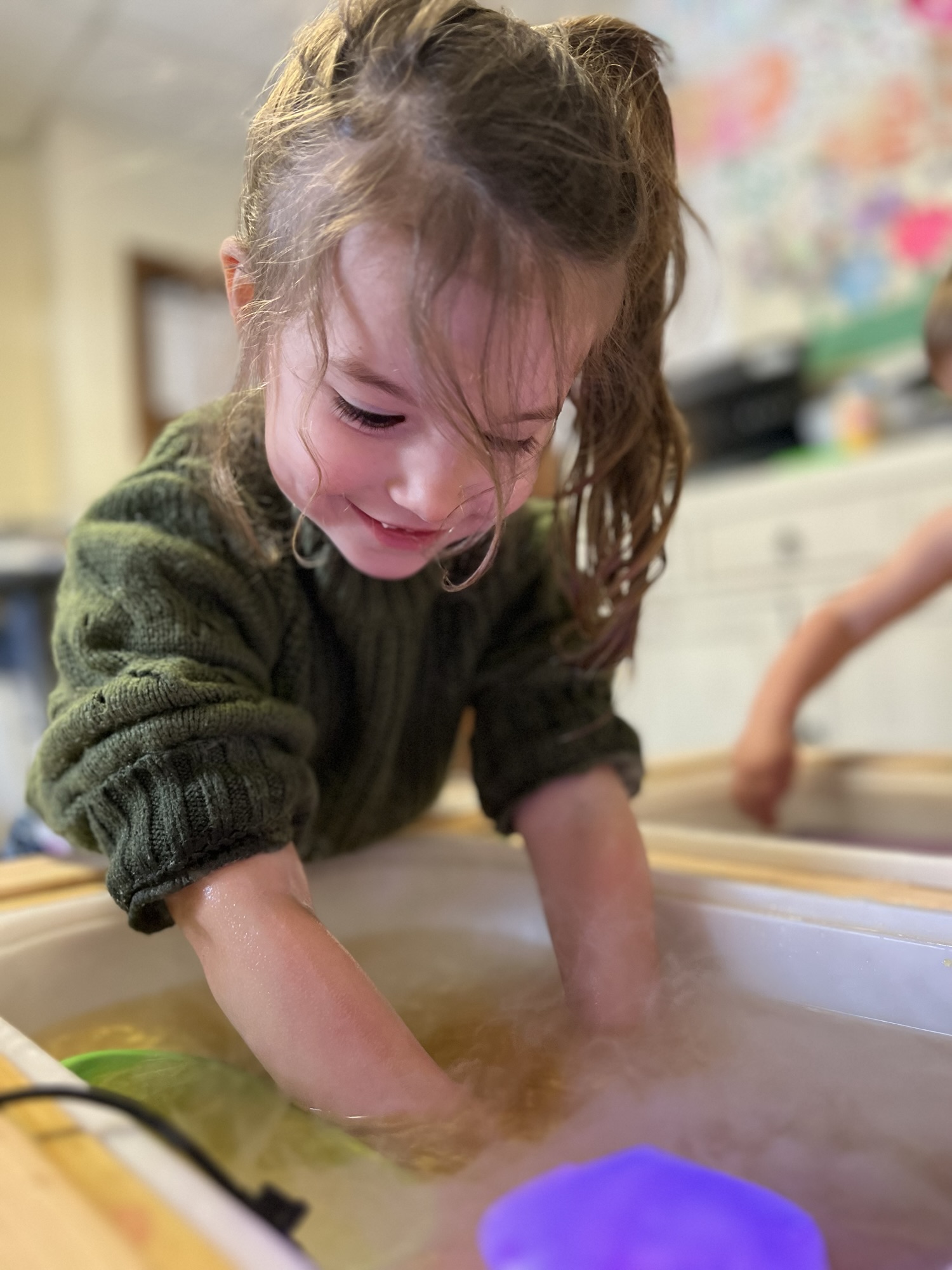
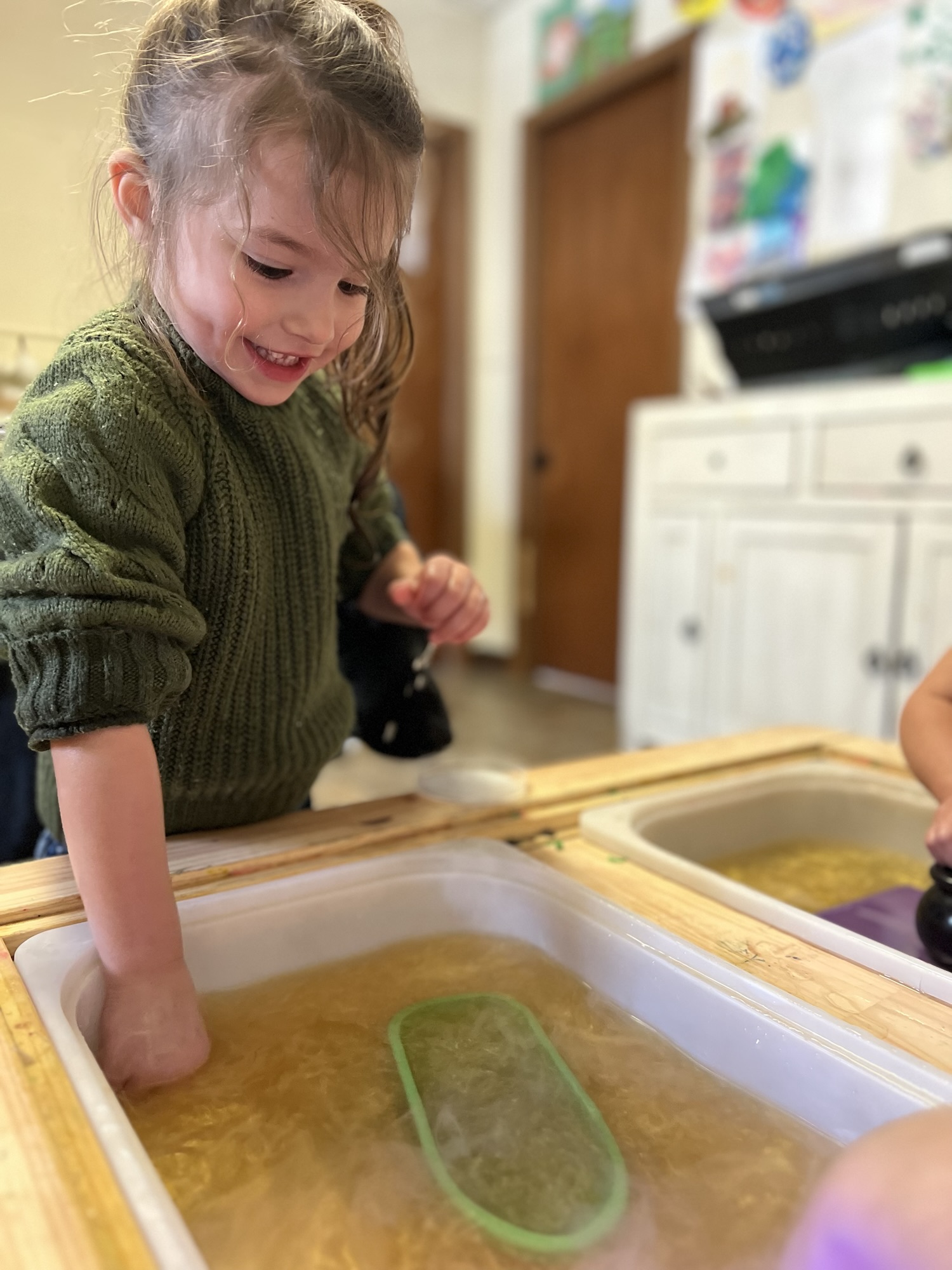
Beyond the storytelling, they explored the feel of the water and rocks—the smoothness of the stones, the way the gold shimmer swirled in the water, and the contrast between solid and liquid. They experimented with different objects, predicting which would sink or float, adding another layer of learning.
Leprechaun Lake ended up being more than just a fun sensory bin—it was a spark for creativity, a mini science experiment, and an open-ended way to explore textures, weight, and storytelling all at once. I could even see older kids turning this into a full story with illustrations!
If you try it, let me know—what story does your Leprechaun Lake tell?
Leprechaun Lake Alternative Activities by age
One of the best things about sensory bins? They grow with your kids! You don’t have to set up a brand-new bin every day—just introduce a new way to play within the same setup.
Sensory bins can be as simple or creative as you want, and they work for all ages. Need an easy way to extend playtime? Just add a new challenge—tongs for fine motor skills, a magnifying glass for “investigating,” or a story prompt to spark creativity.
No need to reinvent the wheel every day—just let the play evolve!
Toddler & Preschool (Ages 2-5) – Hands-On Exploration & Play
- Sink or Float Experiment – Add different objects (gold coins, small toys, bottle caps) and predict if they will sink or float.
- Gold Treasure Hunt – Hide gold coins or small treasures in the water and let kids use tongs or scoops to find them.
- Pouring & Scooping – Use cups, spoons, and ladles to transfer water and gold stones between containers. Great for fine motor skills!
- Rainbow Water Mixing – Add small cups of colored water and let kids experiment with mixing colors in the lake.
- Leprechaun Small World Play – Add small figurines, pretend leprechauns, or boats to create their own imaginative world.
Early Elementary (Ages 6-8) – STEM & Creative Play
- Gold Boat Challenge – Build a boat out of foil or craft supplies and see how much “gold” (coins, rocks) it can hold before sinking.
- Magnet Treasure Hunt – Hide metal objects in the lake and let kids “fish” them out with a magnetic wand.
- Design a Leprechaun Map – Have kids draw a map showing Leprechaun Lake, treasure spots, and secret paths.
- Gold Coin Addition & Subtraction – Use play coins for math practice—counting, adding, subtracting, or simple word problems.
Upper Elementary (Ages 9-12) – Challenges & Experiments
- Water Density Experiment – Add salt to one bin of the lake and see how it changes what sinks and floats.
- Storybook Creation –Use any of the prompts below to turn a “Leprechaun Lake” adventure into a homemade book with illustrations.
All Ages
- Glowing Leprechaun Lake (Blacklight Edition) – Mix in tonic water (which glows under UV light) or use glow-in-the-dark paint for a nighttime version.
Writing/Story Prompts
Preschool (Ages 3-5) – Simple Imaginative Play & Storytelling
- A leprechaun is looking for his lost gold in Leprechaun Lake. Where did it go? Who might help him find it?
- A tiny boat is floating on Leprechaun Lake, carrying something special. What’s inside? Where is it going?
- What if a rainbow touched the lake? What magical thing might happen?
Early Elementary (Ages 6-8) – Short Stories with Problem-Solving
- A mischievous leprechaun dropped all his gold into the lake, but when he tries to collect it, he discovers something surprising at the bottom! What does he find?
- A young leprechaun-in-training must prove they are ready for their own pot of gold by completing a special task at Leprechaun Lake. What is the task, and do they succeed?
- A boat carrying gold sets off across Leprechaun Lake—but suddenly, something unexpected happens. Does it sink? Does it meet a sea creature?
Upper Elementary (Ages 9-12) – Adventure & Mystery Writing
- A group of leprechauns have a secret: Leprechaun Lake isn’t just a place to collect gold—it hides a powerful treasure. One day, a human stumbles upon it. What happens next?
- A young adventurer sets out to find Leprechaun Lake, but when they arrive, the gold is missing! Who took it, and how do they get it back?
- The lake’s waters shimmer with gold, but when a traveler reaches in, they are pulled into a magical world. Where do they end up?
Teens (Ages 13+) – Fantasy, Mythology, & Deeper Themes
- Legend says Leprechaun Lake holds the power to grant one wish—but only if you are willing to give up something equally valuable in return. What would your character wish for? Would they make the trade?
- Long ago, leprechauns protected their gold from greedy humans by enchanting the lake. But when someone accidentally breaks the spell, chaos ensues. What happens next?
- A scientist discovers Leprechaun Lake isn’t magic at all—there’s a logical explanation for the shimmering water and disappearing gold. Or is there?
These prompts can inspire storytelling at different levels, whether through spoken stories, illustrated books, or full-length written pieces. Which one do you think your kids would love most?
 Little Hearts at Home
Leave a comment