Why I love Sensory Bins (and you don’t need a new one everyday!)
One of the best things about sensory bins? They grow with your kids! You don’t have to set up a brand-new bin every day—just introduce a new way to play within the same setup.
Take Leprechaun Lake, for example. One day, my little one was scooping and splashing, the next we were doing a sink-or-float experiment, and then my older kids turned it into a storytelling adventure. Same bin, totally different experiences!
Sensory bins can be as simple or creative as you want, and they work for all ages. Need an easy way to extend playtime? Just add a new challenge—tongs for fine motor skills, a magnifying glass for “investigating,” or a story prompt to spark creativity.
No need to reinvent the wheel every day—just let the play evolve! What’s your favorite way to switch up a sensory bin?
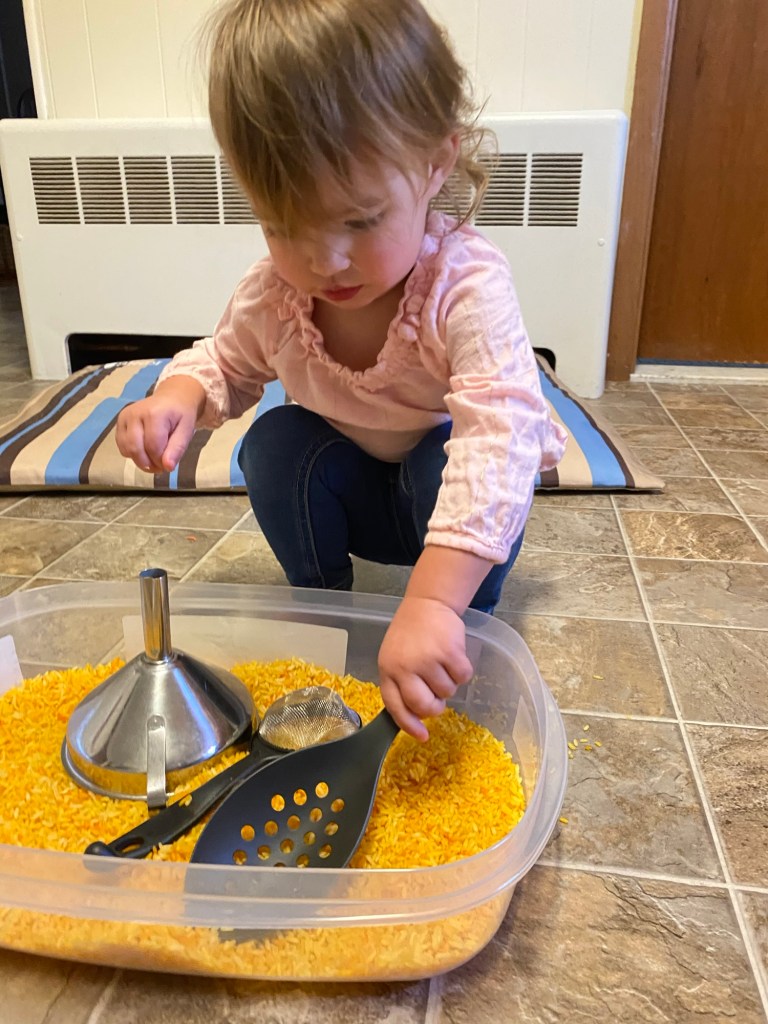
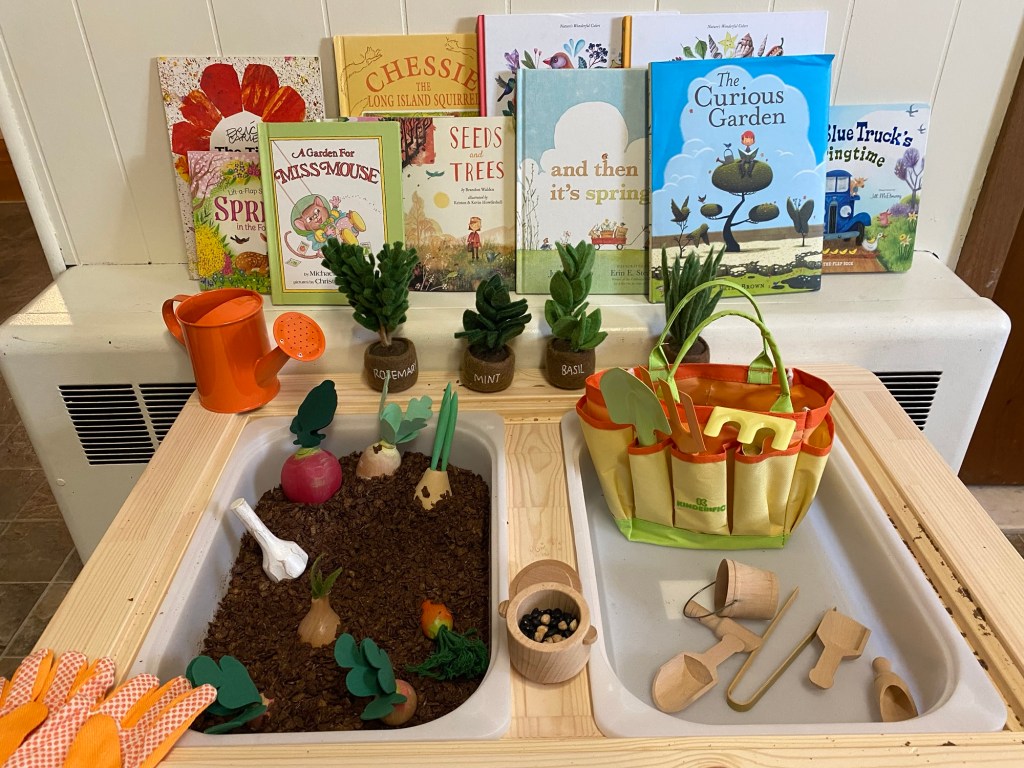

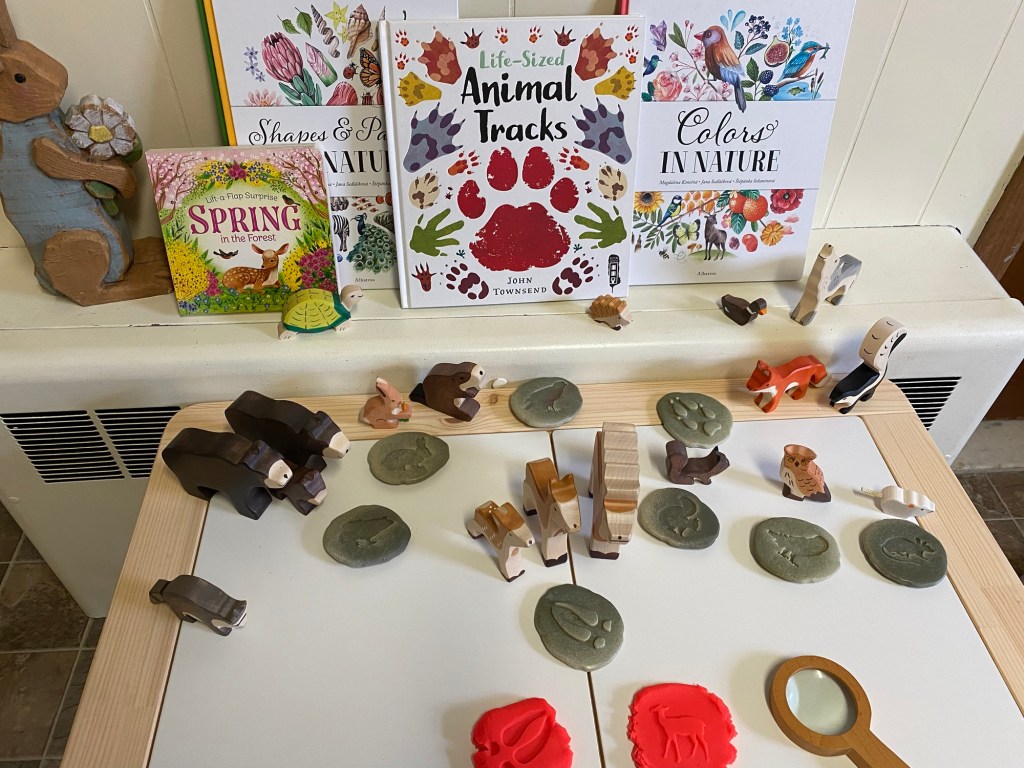
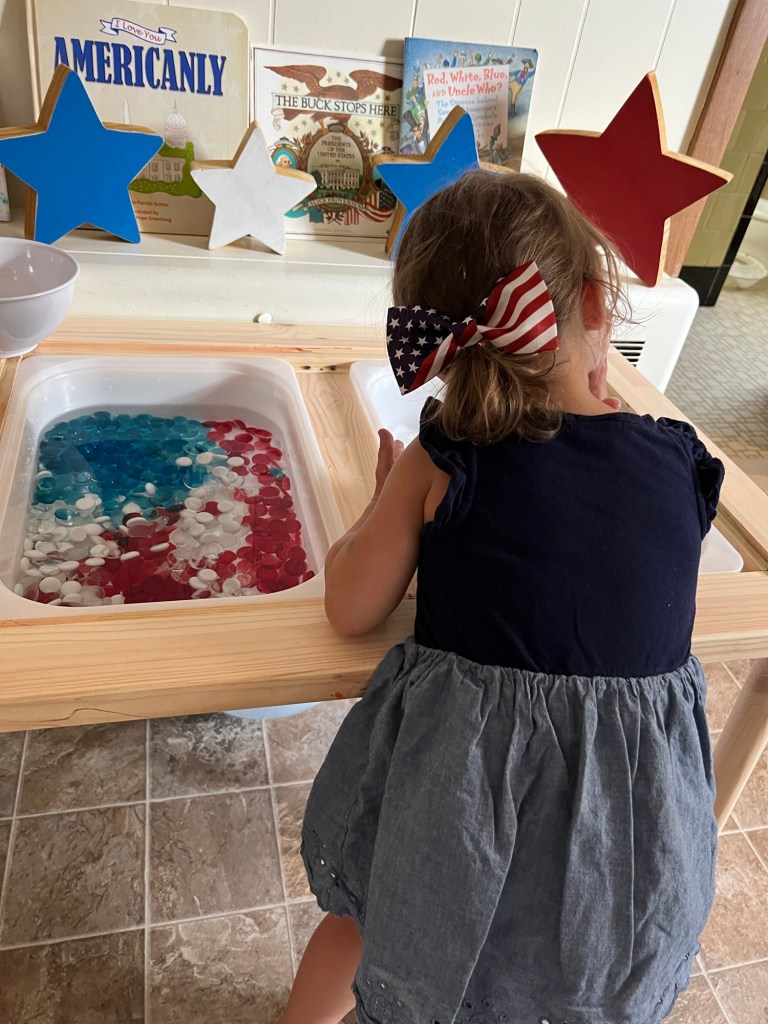
Sensory bins are one of those things that sound amazing in theory—fun, engaging, great for development—and they are! But let’s be real: they also come with a fair amount of chaos, a solid risk of finding rice in your couch a week later, and at least one child who will insist on dumping the entire thing on the floor.
That being said, I keep coming back to them because they truly work. They calm my kids when they’re overstimulated, give them a way to explore textures in a low-pressure way, and honestly, they buy me a solid 20 minutes to get things done.
Here’s what I’ve learned to make sensory bins actually manageable:
✔️ Keep it simple! No need for elaborate themes—dry pasta, pom-poms, or kinetic sand are enough if that’s what you are looking for!
✔️ Use a contained space. I keep ours in a shallow plastic bin on a blanket so cleanup is (slightly) easier.
✔️ Prep for the mess. Expect it, embrace it, and set boundaries like “keep the beans in the bin” (which is, of course, only mildly effective).
✔️ Rotate materials. When the excitement fades, swap out the filler or add some new tools (measuring cups = instant excitement).
Does this mean my kids always play neatly and keep every grain of rice inside the bin? Absolutely not. But do they love it? Yes. And that makes it worth it.
If you use sensory bins, what’s your go-to filler? Also, be honest—are you the “let them explore” type or the “sweeping mid-activity” type?
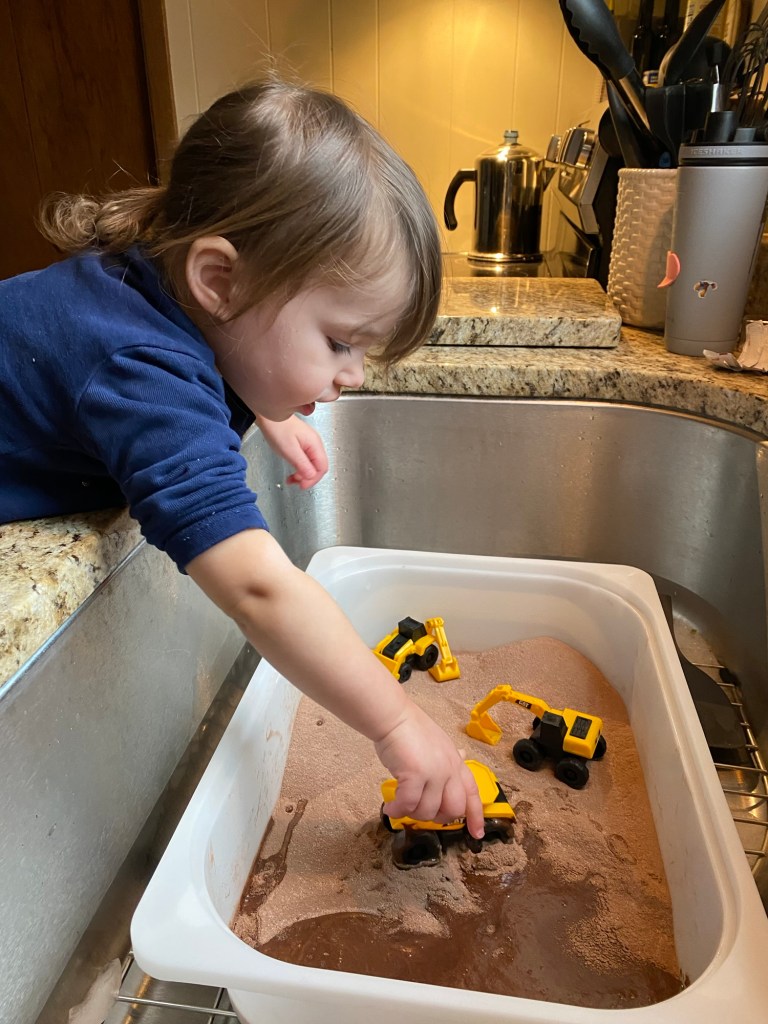
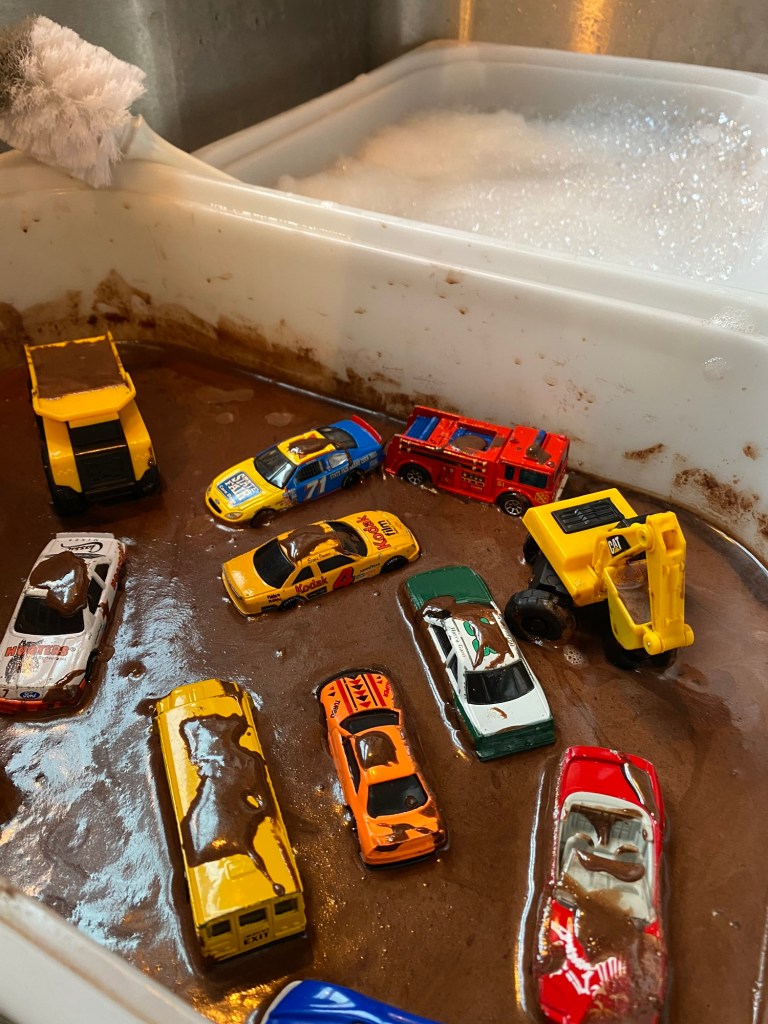
Sensory bins aren’t just a fun way to keep kids entertained—they actually offer a ton of developmental benefits! Here are some of the key reasons why they’re so valuable:
1. Supports Sensory Development
Have a child that hates certain foods based on their texture? Or a child that hates the way jeans feel? Or can’t stand the seam on the toes of their socks? Kids explore different textures, weights, and consistencies, helping their brains process sensory input. This is especially helpful for children with sensory sensitivities, like those who seek or avoid certain textures.
⭐️ Try to include 2 or more fillers with opposing features.
Smooth vs. Rough for helping children distinguish between different tactile sensations, enhancing sensory discrimination.
Soft vs. Hard for encouraging exploration of varying firmness and resistance, aiding in fine motor development.
Dry vs. Wet for providing a unique sensory contrast, allowing children to experience different moisture levels and textures.
Light vs. Heavy for introducing concepts of weight and balance, fostering cognitive development.
Warm vs. Cool for engaging temperature receptors, adding another dimension to sensory play.
Let me know if you need any ideas for fillers for each type!
2. Encourages Fine Motor Skills
Scooping, pouring, pinching, and grasping small objects strengthen the small muscles in the hands and fingers, which are essential for writing, buttoning clothes, and using utensils.
⭐️ There’s no need for anything fancy! Use what you have available at home! Colanders, tongs, spoons, tweezers, and bowls can all be great tools!
3. Promotes Cognitive Growth & Problem-Solving
Sensory play helps kids understand cause and effect (e.g., “What happens when I pour the beans through a funnel?”) and supports early math concepts like measuring, sorting, and pattern recognition.
⭐️ If you are playing alongside your child ask yourself out loud “what will happen if…” see if they will answer your question or ask their own!
4. Enhances Language Development
As kids describe how things feel, move, or sound, they build their vocabulary and communication skills. Sensory bins also encourage pretend play, which supports storytelling and creativity.
⭐️ If you are engaging in parellel play describe what you are feeling and doing out loud!
5. Helps with Emotional Regulation
Many sensory activities have a calming effect, making them great for helping kids self-regulate when they’re overwhelmed or overstimulated. The repetitive motions of scooping and pouring can be especially soothing.
⭐️ Sensory bins work best in our house as an after school/after work activity! Those witching hours were the same time frame during toddlerhood as it was during the infant phase!
6. Encourages Independent Play & Focus
Sensory bins engage children in meaningful, hands-on play, helping them develop focus, patience, and the ability to entertain themselves without constant guidance.
⭐️ Do your best not to interrupt this play if possible! Start parallel play at the beginning if your child needs help getting started!
7. Boosts Social Skills & Cooperative Play
When kids play together, they practice taking turns, sharing tools, and working through problems—great foundational skills for social interactions.
⭐️ We love the IKEA Flisat table for parallel play with siblings!
8. Makes Learning More Engaging
You can easily tie sensory bins into educational themes, such as letter recognition (hide letters in rice), color sorting (use different shades of water beads), or even simple science experiments (melting ice cubes with salt).
⭐️ Follow Littleheartsathome.com for engaging learning activities!
Sensory bins are more than just a messy activity—they’re a powerful tool for learning, calming, and engaging young minds. Even if they leave a little rice on the floor, the benefits are worth it!
 Little Hearts at Home
Leave a comment